How to Find Your Swedish Ancestors' Parish
To find Swedish ancestors you need their parish: Swedish church records were kept parish by parish, and a nearby town is not enough. This guide shows what American and Swedish records can tell you, and how to open the parish's records once you know it.
Facts checked against sources, November 2026
On this page
The essentials in one minute
- Swedish church records were kept parish by parish, so you need the exact parish, not just a town nearby1,9.
- In America, Swedish-American church records can give the date and place of birth2.
- Passenger lists for the port of New York, 1820–1957, can give the place of birth and the last place of residence3.
- Emigrant lists such as those of the Malmö police give the emigrant's home place and county8.
- With the parish and the county, you find the church records on Riksarkivet's Church archives page10.
Why the parish is the key
Swedish church records were kept parish by parish, and the church archives are arranged by county and parish1. In older records the parish is called socken; after 1862 the church parish is called församling7.
To find a person in the Swedish records, you must know in which parish he or she was born. Riksarkivet writes that it is not enough to know that someone was born "just outside Kungälv"9.
Inside the parish, the household examination record is arranged by village, farm and croft10. So once you have the parish, the next step is the village.
What the American records can tell you
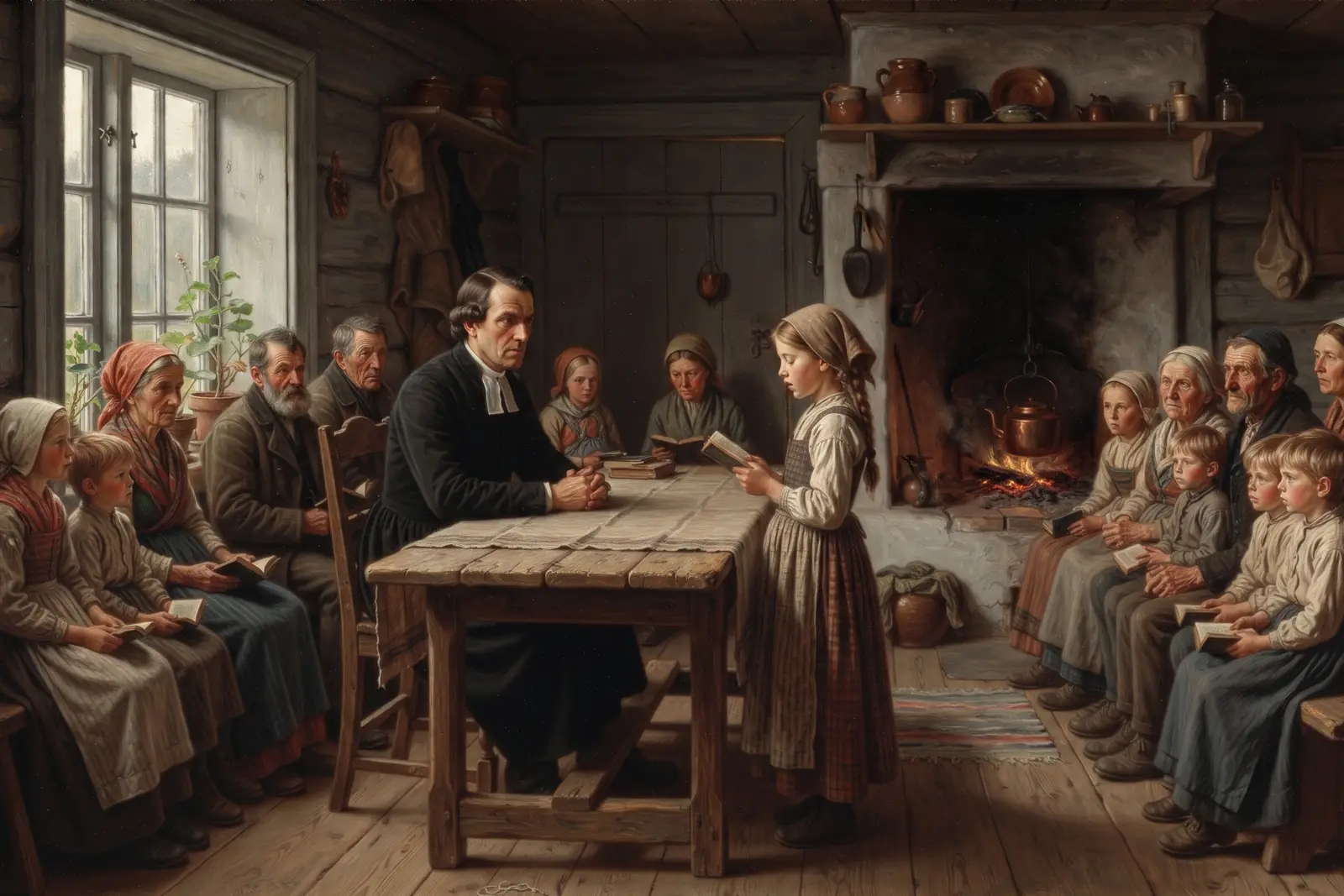
- Swedish-American church records. Swedish congregations in America kept their own books. When they were complete and carefully kept, they can give the date and place of birth and baptism, the year the person came to America, and earlier and later places of residence in the United States2.
- Passenger lists. The U.S. National Archives has scanned passenger lists for the port of New York, 1820–1957. They can give nationality, place of birth, ship, date of arrival, age, occupation, last place of residence and relatives in the United States3.
- Naturalization. Records of immigrants who became citizens through the courts can be ordered3.
- Where they arrived. In New York, immigrants came through Castle Garden in 1855–1892 and through Ellis Island from 1 January 18925.
What the Swedish records can tell you
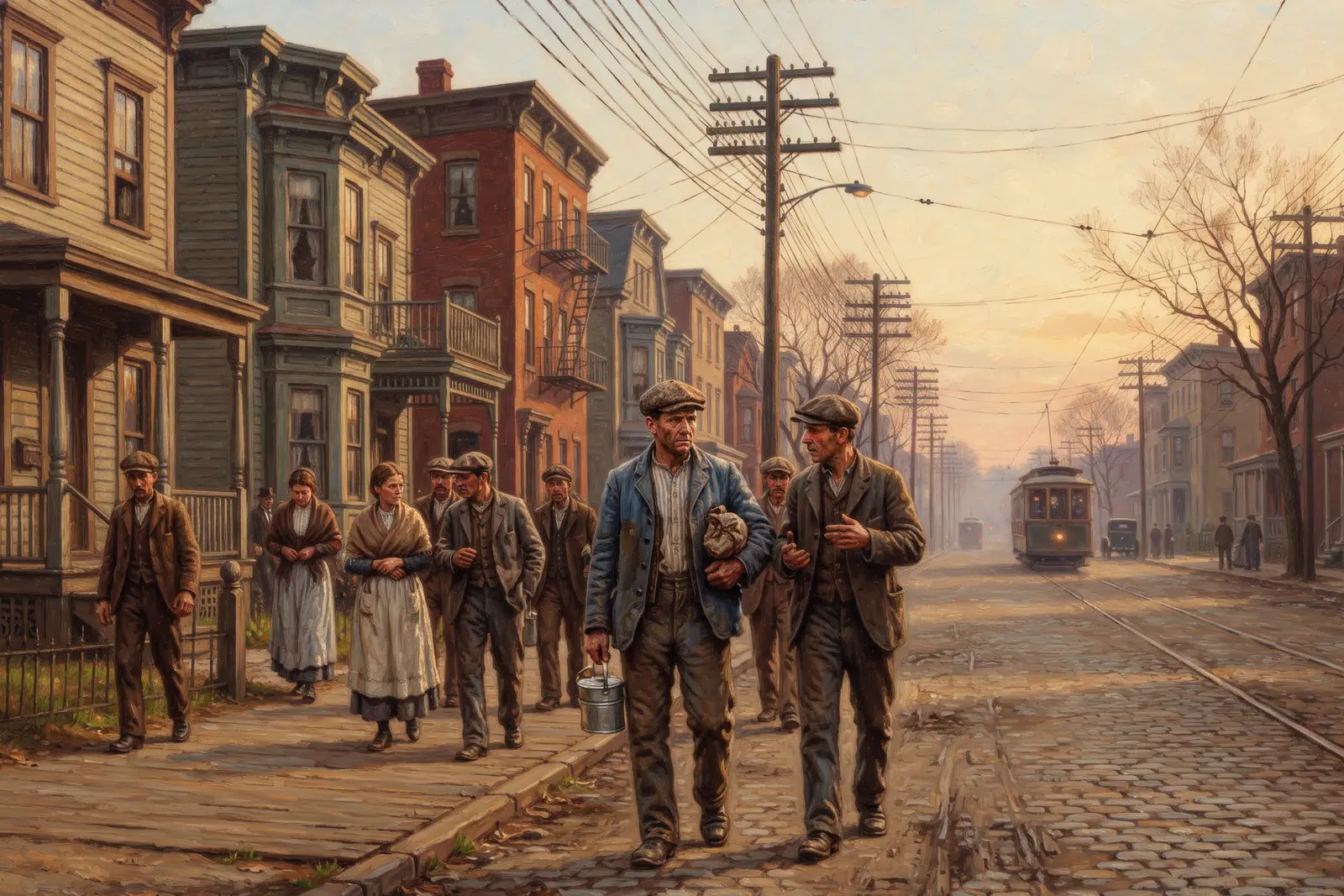
Passenger lists for emigrants leaving Swedish ports exist from 18694. The police in Gothenburg began their lists that year12, and the lists in Malmö cover 1874–19398. They give the emigrant's name, title or occupation, age, home place, county and destination8.
Only legal emigrants are in the archives' lists: those who asked the priest for a moving certificate (flyttningsbetyg)11.
In the home parish, look in the household examination record for a note that the person moved to America, and then in the moving-out record4,12.
Step by step: from your ancestor to the parish records
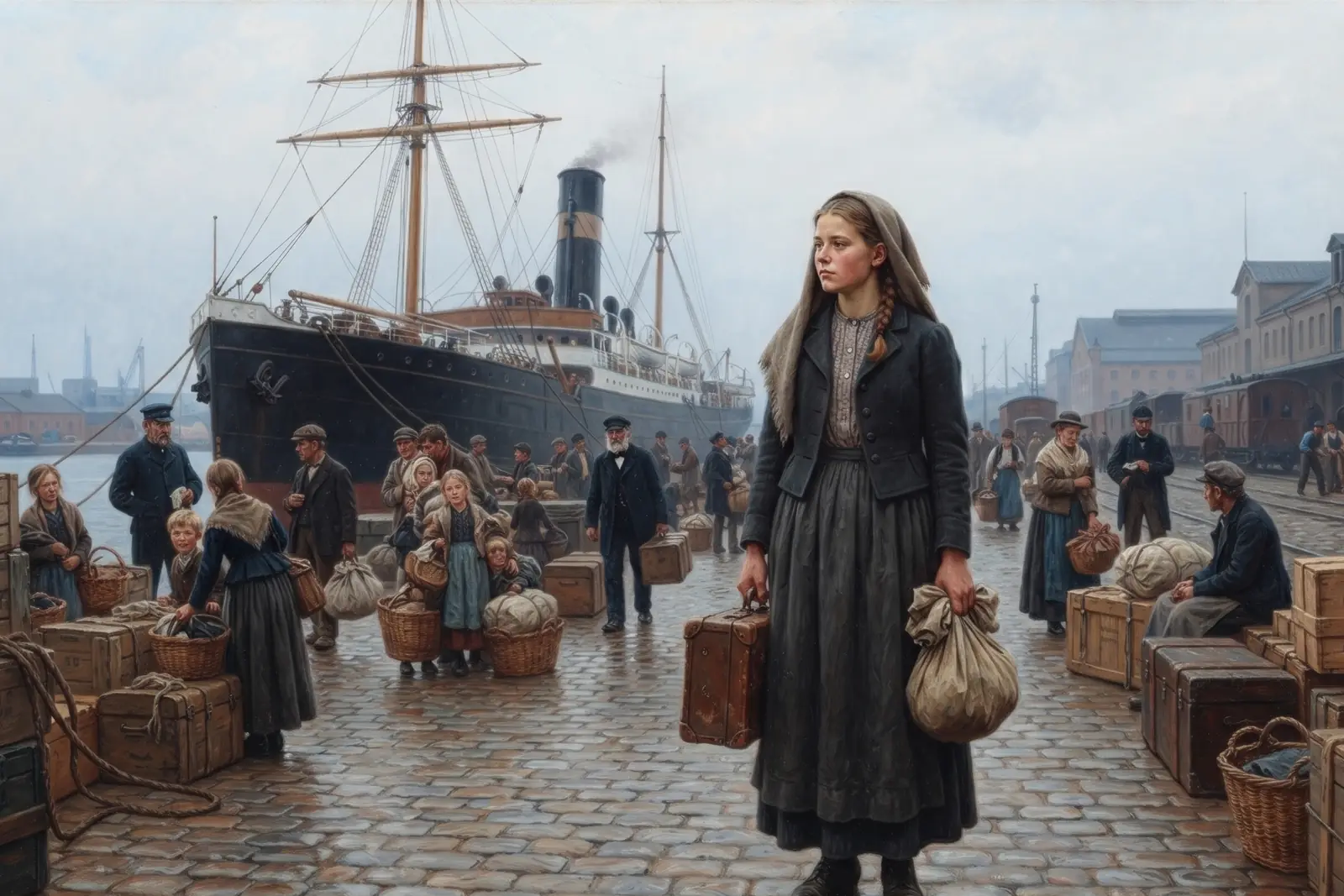
Check the Swedish emigrant lists.
The Malmö lists, for example, give the home place and the county8.
Write down the parish and the county.
Church records are arranged by parish, so you need to know where the person lived9.
Look for the move.
In the household examination record, find the note that the person moved, then the moving-out record for that year. It says which parish the person moved to10.
Go back in time.
The household examination record gives each person's date and parish of birth, which tells you where to look next9.
Pitfalls
Two-step emigrants.
Someone who first moved to Stockholm, for example, to earn the fare and left from there is not in the home parish's moving-out record12.
The port list shows only the first leg.
The Malmö lists show only the first part of the journey, often to Copenhagen, Hamburg or England8.
No Swedish church in the area.
Where few Swedes lived there may have been no Swedish congregation, and then there are no such records2.
Old spellings of places.
The name of a place can be spelled a bit differently today6.
Glossary
- församling
- Parish: the name for the church parish after 18627.
- län
- County. Riksarkivet's search uses today's counties10.
- utflyttningslängd
- Moving-out record: the priest's list of the people who moved out of the parish10.
- inflyttningslängd
- Moving-in record: it gives the village and often the page in the household examination record10.
- flyttningsbetyg
- Moving certificate: the priest's certificate for someone who moved11.
- poliskammare
- The town's police authority. In the port towns it kept lists of the emigrants8.
Common questions
How do I find where in Sweden my ancestor came from?
Start with the American records: Swedish-American church records and New York passenger lists can give the place of birth2,3. Then check the Swedish emigrant lists: the Malmö lists, for example, give the home place and county8.
Why do I need the exact parish?
Swedish church records are arranged by parish. Riksarkivet writes that knowing a nearby town is not enough9.
What is the difference between socken and församling?
In older records they usually mean the same place. After 1862 the church parish is called församling7.
Why can't I find my ancestor in the home parish's moving-out record?
He or she may have moved to another place in Sweden first, or left without a moving certificate12.
Where can I read the Swedish church records?
Riksarkivet publishes the church archives online, from the late 1600s to the early 1900s10.
Sources
Sources in English
- Riksarkivet (the Swedish National Archives): Genealogy – sok.riksarkivet.se
- Swenson Swedish Immigration Research Center, Augustana College: Church Records – swensoncenter.org
- U.S. National Archives at New York City: Genealogy – archives.gov
- Kulturparken Småland: The Swedish Emigrant Institute – kulturparkensmaland.se
- Hans Högman: The emigrant journey 1880 – hhogman.se
- Hans Högman: Swedish genealogy – hhogman.se
- Hans Högman: Genealogy terms S–Ö – hhogman.se
Sources in Swedish
These pages are in Swedish.
- Malmö stadsarkiv (Malmö City Archives): Emigrantforska (in Swedish) – malmo.se
- Riksarkivet: Om släkt- och personforskning (in Swedish) – sok.riksarkivet.se
- Riksarkivet: Kyrkoarkiv (in Swedish) – sok.riksarkivet.se
- Riksarkivet: Emigration (in Swedish) – sok.riksarkivet.se
- Sollerö hembygdsförening: Emigration (in Swedish) – sollero-hembygd.se
- Statistics Sweden (SCB): Så påverkade utvandringen till Amerika Sveriges befolkning, 2013 (in Swedish) – scb.se